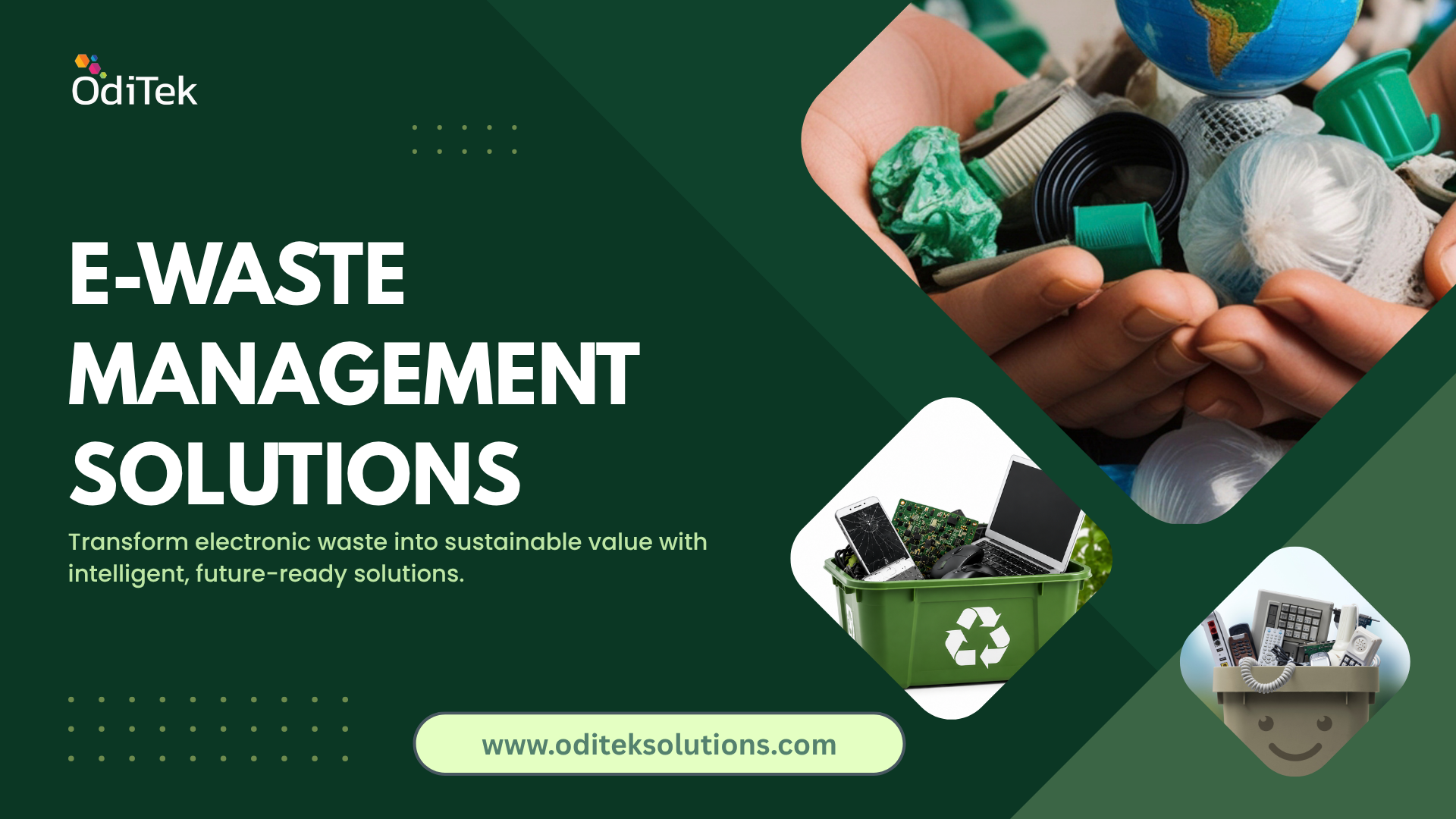
E-waste management solutions are becoming a business necessity as organisations generate increasing amounts of discarded electronic devices while facing stricter environmental regulations and rising sustainability expectations. From outdated laptops and smartphones to servers and networking equipment, electronic waste must be managed responsibly to protect the environment, secure sensitive data, and comply with government regulations.
Digital transformation is changing how businesses handle electronic waste. Technologies such as Artificial Intelligence (AI), the Internet of Things (IoT), cloud computing, and automation are enabling smart e-waste management, giving organizations better visibility into the entire lifecycle of electronic assets. At the same time, EPR compliance technology is helping businesses meet regulatory requirements while strengthening e-waste management and ESG initiatives.
This article will explain how digital innovation is shaping the future of e-waste management, why businesses should adopt intelligent waste management systems, and how these solutions contribute to long-term sustainability.
What Are E-Waste Management Solutions?
E-waste management solutions are systems, technologies, and processes that help organizations collect, track, recycle, refurbish, and safely dispose of electronic waste. These solutions ensure that end-of-life electronic products are managed responsibly while complying with environmental regulations and maximizing resource recovery.
A modern e-waste management solution typically includes:
• Digital asset tracking
• Secure data destruction
• Electronic waste collection
• Recycling and refurbishment management
• Compliance reporting
• Reverse logistics
• Sustainability monitoring
Instead of relying on manual records, businesses can automate the entire disposal process, improving transparency, operational efficiency, and environmental performance.
How Digital Transformation Is Enabling Smart E-Waste Management
Traditional waste management often lacked visibility, making it difficult to monitor electronic assets and ensure proper recycling. Today, smart e-waste management combines digital technologies with sustainable practices to create an efficient and transparent system.
1.Artificial Intelligence (AI)
AI helps organizations identify recyclable materials, automate waste classification, and predict when electronic equipment should be replaced. This improves recycling efficiency while reducing manual effort.
2.Internet of Things (IoT)
IoT-enabled devices allow businesses to monitor electronic assets throughout their lifecycle. Real-time tracking helps organizations know where assets are located, when they should be retired, and how they are recycled.
3.Cloud-Based Platforms
Cloud solutions centralize waste management across multiple business locations. Organizations can monitor disposal activities, generate compliance reports, and collaborate with certified recyclers through a single platform.
4.Data Analytics
Advanced analytics provide insights into waste generation, recycling rates, and sustainability performance. Businesses can use this information to reduce waste, improve asset utilization, and make data-driven decisions.
Together, these technologies make electronic waste management more efficient, secure, and environmentally responsible.
The Role of EPR Compliance Technology
Governments around the world are introducing stricter regulations to ensure that manufacturers and producers take responsibility for electronic products at the end of their lifecycle. This approach is known as Extended Producer Responsibility (EPR).
EPR compliance technology simplifies these obligations by automating regulatory processes and improving traceability.
Key capabilities include:
• Producer registration management
• Electronic waste tracking
• Collection and recycling monitoring
• Digital compliance documentation
• Automated reporting
• Audit-ready records
By replacing manual processes with digital workflows, businesses can reduce administrative effort, minimize compliance risks, and ensure accurate reporting.
E-Waste Management and ESG: Building a Sustainable Business
There is a growing connection between e-waste management and ESG (Environmental, Social, and Governance). Investors, customers, and regulators increasingly expect organizations to demonstrate responsible environmental practices.
Effective e-waste management contributes to all three ESG pillars.
1.Environmental
Responsible recycling reduces landfill waste, conserves natural resources, lowers carbon emissions, and supports a circular economy by recovering valuable materials from discarded electronics.
2.Social
Certified recycling practices improve worker safety, promote responsible disposal, and reduce the environmental impact on surrounding communities.
3.Governance
Digital reporting, regulatory compliance, and transparent recycling records strengthen corporate governance while improving stakeholder confidence.
Businesses that integrate e-waste management into their ESG strategy not only meet compliance requirements but also enhance their reputation and long-term resilience.
Benefits of Digital E-Waste Management Solutions
Implementing modern e-waste management solutions offers significant advantages for businesses across industries.
1.Improved Regulatory Compliance
Automated reporting and digital documentation help organizations comply with local and international environmental regulations.
2.Enhanced Data Security
Secure data destruction ensures that confidential business information is permanently removed before electronic devices are recycled or refurbished.
3.Cost Savings
Tracking electronic assets throughout their lifecycle improves resource utilization, increases equipment recovery, and reduces unnecessary disposal costs.
4.Better Operational Visibility
Real-time dashboards provide complete visibility into waste collection, recycling progress, and compliance status across multiple business locations.
5.Stronger Sustainability Performance
Organizations can monitor recycling rates, carbon savings, and waste reduction initiatives to support sustainability goals and ESG reporting.
Future Trends in E-Waste Management
The future of e-waste management solutions is driven by innovation and sustainability. As businesses continue their digital transformation journey, several emerging trends are expected to shape the industry.
Some of the key trends include:
• AI-powered recycling automation
• Predictive asset lifecycle management
• Blockchain-based recycling records
• Smart reverse logistics
• Digital product passports
• IoT-enabled waste tracking
• ESG analytics dashboards
• Circular economy initiatives
These innovations will help organizations move beyond waste disposal and focus on resource recovery, transparency, and long-term environmental sustainability.
Best Practices for Businesses
Organizations looking to improve their electronic waste management should consider the following best practices:
• Develop a formal e-waste management policy.
• Use digital tools to track electronic assets.
• Partner with certified recycling providers.
• Implement secure data destruction procedures.
• Adopt EPR compliance technology for automated reporting.
• Include e-waste metrics in ESG reporting.
• Conduct regular waste audits.
• Train employees on responsible electronic waste disposal.
Following these practices helps organizations improve compliance, reduce environmental impact, and maximize the value of retired electronic assets.
Why Choose OdiTek Solutions?
At OdiTek Solutions, we help organizations embrace digital transformation with innovative technology solutions that improve operational efficiency, regulatory compliance, and sustainability. Our expertise in enterprise application development, cloud technologies, AI, IoT, and business process automation enables businesses to build smarter, future-ready systems.
When it comes to e-waste management solutions, we develop scalable digital platforms that simplify electronic waste tracking, automate workflows, support EPR compliance technology, and provide actionable insights through real-time analytics. Our solutions are designed to help organizations strengthen their e-waste management and ESG initiatives while improving transparency and operational performance.
By partnering with OdiTek Solutions, you benefit from:
• Tailor-made digital solutions aligned with your business needs
• Expertise in AI, IoT, cloud, and enterprise application development
• Scalable and secure technology platforms
• Automated compliance and reporting capabilities
• Data-driven insights for smarter decision-making
• Dedicated support and long-term technology partnership
Whether you’re looking to modernize waste management processes, improve compliance, or accelerate your sustainability journey, OdiTek Solutions delivers the technology and expertise to help your business achieve lasting success.
Conclusion
As technology evolves, businesses must adopt smarter ways to manage discarded electronic devices. Modern e-waste management solutions combine automation, AI, IoT, cloud platforms, and analytics to improve efficiency, ensure compliance, and support sustainability objectives.
By investing in smart e-waste management, implementing EPR compliance technology, and aligning waste management strategies with e-waste management and ESG goals, organizations can reduce environmental impact while improving operational performance and regulatory compliance. Businesses that embrace digital transformation today will be better prepared for future regulations, customer expectations, and sustainability challenges.
Ready to modernize your e-waste management? Explore OdiTek Solutions smart e-waste management and contact us today!
Frequently Asked Questions (FAQs)
1. What are e-waste management solutions?
E-waste management solutions help businesses collect, track, recycle, and safely dispose of electronic waste while ensuring compliance and sustainability.
2. How does EPR compliance help businesses?
EPR compliance helps businesses meet environmental regulations, reduce compliance risks, and promote responsible recycling.
3. What is smart e-waste management?
Smart e-waste management uses AI, IoT, cloud technology, and automation to improve electronic waste tracking and recycling.
4. Why is e-waste management important for ESG?
It supports ESG by reducing environmental impact, improving compliance, and promoting sustainable business practices.
5. What technologies are used in e-waste management solutions?
AI, IoT, cloud computing, data analytics, blockchain, and automation are commonly used to streamline e-waste management.
6. Which businesses need e-waste management solutions?
Any organization that uses electronic devices—including IT, healthcare, manufacturing, retail, finance, and government—can benefit from these solutions.
7. What are the benefits of e-waste management solutions?
They improve compliance, enhance data security, reduce disposal costs, increase recycling efficiency, and support ESG goals.
8. How do e-waste management solutions support sustainability?
They reduce landfill waste, encourage recycling and reuse, conserve resources, and contribute to a circular economy.