Smart Waste Management Solutions are revolutionising the way cities and businesses manage the growing volume of waste generated every day. Traditional waste collection methods often lead to overflowing bins, inefficient transportation routes, and low recycling rates, creating environmental and operational challenges. To build cleaner and more sustainable urban environments, organizations are increasingly adopting advanced technologies that make waste management more intelligent and efficient.
Modern innovations such as AI in waste management, IoT waste management, and digital waste management platforms enable real-time monitoring, predictive analytics, and automated decision-making. When combined with practices like 4-stream waste segregation and user-friendly tools such as a waste management mobile app, these technologies help optimize collection processes, improve resource recovery, and support the development of smarter, greener cities.
What Are Smart Waste Management Solutions?
Smart waste management solutions leverage advanced technologies to optimize the entire waste management lifecycle from waste generation and segregation to collection, transportation, recycling, and disposal.
These systems use connected sensors, data analytics, automation, and real-time monitoring to improve operational efficiency while reducing environmental impact.
Key Objectives:
• Improve waste collection efficiency.
• Reduce operational costs.
• Increase recycling rates.
• Minimize landfill waste.
• Support sustainability and ESG goals.
The Role of IoT in Waste Management
One of the most significant innovations in modern waste management is IoT waste management.
Smart sensors installed inside waste bins continuously monitor:
• Fill levels
• Temperature
• Moisture
• Bin location
• Fire hazards
The collected data is transmitted to a centralized platform, allowing waste collection teams to schedule pickups only when necessary.
Benefits of IoT Waste Management:
• Prevents overflowing bins.
• Optimizes collection routes.
• Reduces fuel consumption.
• Lowers carbon emissions.
• Improves public hygiene.
Cities implementing IoT enabled systems have reported significant reductions in collection costs and improved service efficiency.
AI in Waste Management: Smarter Decision Making
Artificial Intelligence is revolutionizing the waste industry by enabling predictive analytics and automated sorting.
Applications of AI in Waste Management
1. Smart Waste Sorting
AI-powered vision systems can identify and separate plastics, metals, glass, paper, and organic waste with greater accuracy than manual sorting.
2. Predictive Collection Scheduling
By analysing historical waste generation patterns, AI predicts when bins will become full, helping optimize collection schedules.
3. Route Optimization
AI algorithms calculate the most efficient routes for collection vehicles, reducing travel time and fuel expenses.
4. Recycling Efficiency
Machine learning models improve material recovery rates, ensuring more waste is diverted from landfills.
As urban populations grow, AI in waste management will become increasingly essential for building sustainable cities.
Digital Waste Management: Driving Operational Excellence
Traditional paper-based waste tracking systems often lack transparency and real-time visibility. Digital waste management platforms solve this challenge by providing centralized dashboards and automated reporting.
Features of Digital Waste Management Systems:
• Real-time waste tracking
• GPS enabled fleet monitoring
• Automated reporting and analytics
• Compliance management
• Carbon footprint monitoring
• Recycling performance dashboards
Organizations can use these platforms to monitor waste generation, identify inefficiencies, and improve sustainability initiatives.
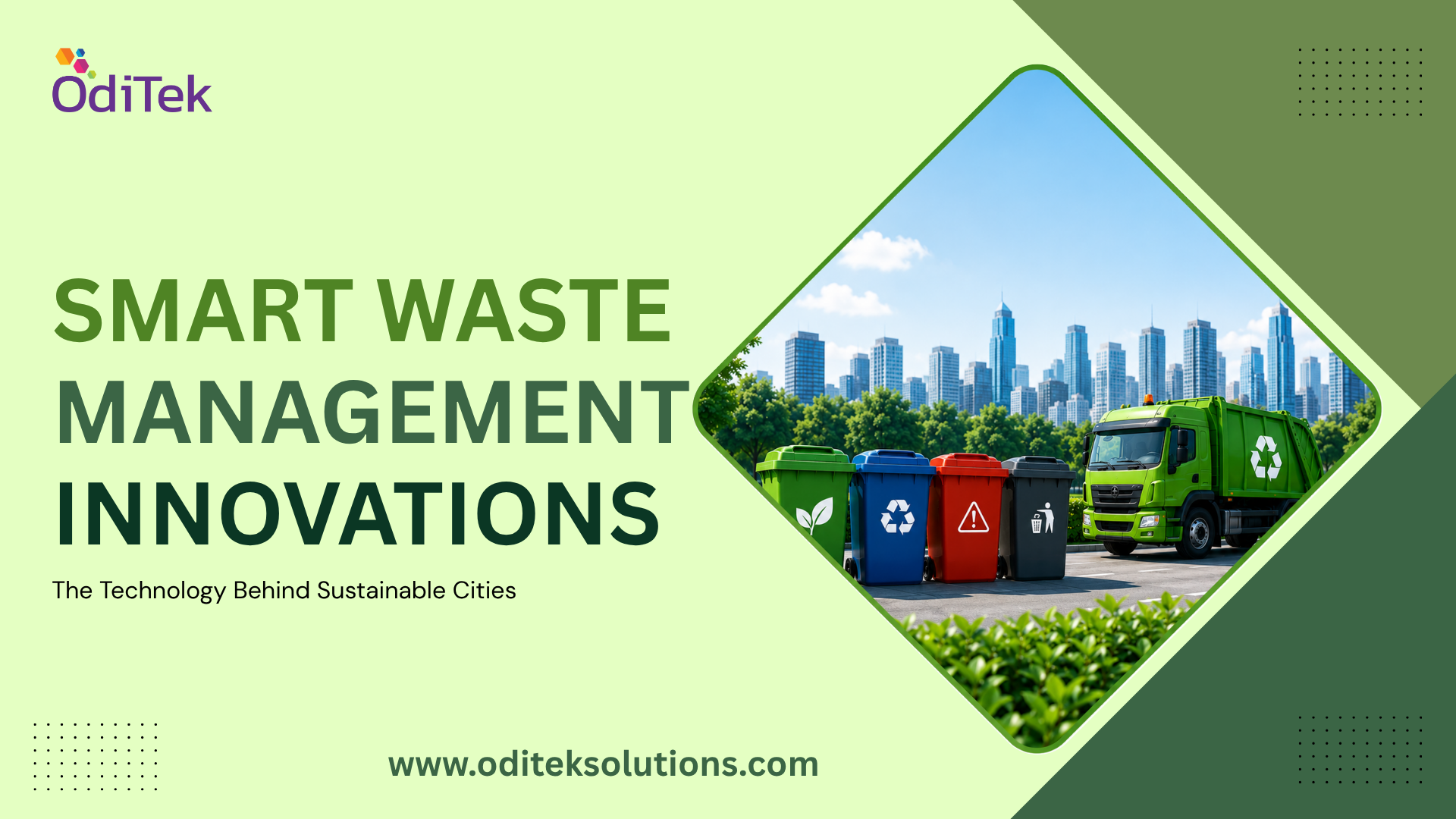
Why 4-Stream Waste Segregation Matters
Efficient waste management starts with proper segregation at the source. 4-stream waste segregation is becoming the preferred model for businesses, institutions, and smart cities.
The Four Waste Streams:
1. Organic Waste
Food scraps, garden waste, and biodegradable materials.
2. Recyclable Waste
Paper, cardboard, plastics, metals, and glass.
3. Hazardous Waste
Batteries, chemicals, paints, medical waste, and e-waste.
4. Residual Waste
Non-recyclable materials that require landfill disposal.
Benefits of 4-Stream Waste Segregation:
• Higher recycling rates.
• Reduced landfill dependency.
• Improved material recovery.
• Better compliance with environmental regulations.
• Lower waste processing costs.
When combined with AI and IoT technologies, segregation becomes even more effective and automated.
The Importance of a Waste Management Mobile App
A modern waste management mobile app acts as a bridge between citizens, businesses, and waste collection authorities.
Key Features:
• Bin pickup scheduling.
• Real-time collection tracking.
• Waste disposal guidelines.
• Recycling center locator.
• Complaint and service request management.
• Push notifications for collection reminders.
For businesses, mobile apps provide valuable insights into waste generation trends and sustainability metrics, helping organizations achieve their environmental goals.
How Smart Technologies Create Sustainable Cities
Smart cities rely on data-driven infrastructure to improve urban living, and waste management plays a crucial role.
Environmental Benefits:
• Lower greenhouse gas emissions.
• Increased recycling and resource recovery.
• Reduced illegal dumping.
• Better landfill management.
Economic Benefits:
• Reduced operational expenses.
• Lower fuel and maintenance costs.
• Optimized workforce utilization.
• Improved asset management.
Social Benefits:
• Cleaner neighborhoods.
• Better public health.
• Enhanced citizen engagement.
• Greater environmental awareness.
By adopting smart waste management solutions, cities can build resilient ecosystems that balance economic growth with environmental responsibility.
Challenges in Implementing Smart Waste Management
Despite the advantages, organizations may face several challenges:
• High initial infrastructure costs.
• Integration with existing systems.
• Data security and privacy concerns.
• Need for public awareness and participation.
• Maintenance of IoT devices and sensors.
However, long-term savings and sustainability benefits often outweigh these initial investments.
The Future of Smart Waste Management
Emerging technologies will continue to reshape the waste management landscape.
Future innovations may include:
• AI-powered robotic sorting systems.
• Blockchain for waste traceability.
• Autonomous waste collection vehicles.
• Digital twins for city-wide waste planning.
• Advanced predictive analytics.
As governments and businesses prioritize sustainability, the adoption of smart technologies will accelerate across the globe.
Why Choose Oditek for Smart Waste Management Solutions?
At Oditek Solutions, we help organizations embrace digital transformation through innovative waste management technologies. Our deep expertise to integrate AI, IoT, real-time analytics, and mobile applications to streamline waste operations, improve recycling efficiency, and support ESG and sustainability objectives.
Whether you are a municipality, industrial facility, commercial complex, or educational institution, our technology-driven approach helps you build a cleaner and smarter future.
Conclusion
The future of urban sustainability depends on intelligent infrastructure, and smart waste management solutions are leading the way. Through the integration of IoT waste management, AI in waste management, digital waste management platforms, 4-stream waste segregation, and a user-friendly waste management mobile app, cities can significantly reduce waste, improve recycling rates, and create healthier communities.
As technology continues to evolve, smart waste management will become a cornerstone of sustainable city development, helping build a greener world for future generations.
Ready to build a smarter, cleaner future? Explore our Smart Waste Management Solutions and contact us today!
Frequently Asked Questions (FAQs)
1. What are smart waste management solutions?
Smart waste management solutions use technologies like AI, IoT, sensors, and data analytics to optimize waste collection, segregation, recycling, and disposal processes.
2. How does IoT help in waste management?
IoT sensors monitor bin fill levels and send real-time data to collection teams, enabling efficient route planning and preventing overflow.
3. What is AI in waste management?
AI helps automate waste sorting, predict collection schedules, optimize routes, and improve recycling efficiency.
4. What is 4-stream waste segregation?
It is a waste sorting method that separates waste into four categories: organic, recyclable, hazardous, and residual waste.
5. Why is a waste management mobile app useful?
A waste management mobile app allows users to schedule pickups, track collections, receive notifications, and access recycling information, improving overall waste management efficiency.