Intrusion Detection System technology has become an essential component of modern hotel security, helping properties proactively detect unauthorized access, monitor restricted areas, and respond to potential threats in real time. Unlike traditional CCTV systems that rely heavily on continuous human monitoring, AI-powered intrusion detection uses intelligent video analytics to automatically identify suspicious activities and instantly alert security personnel.
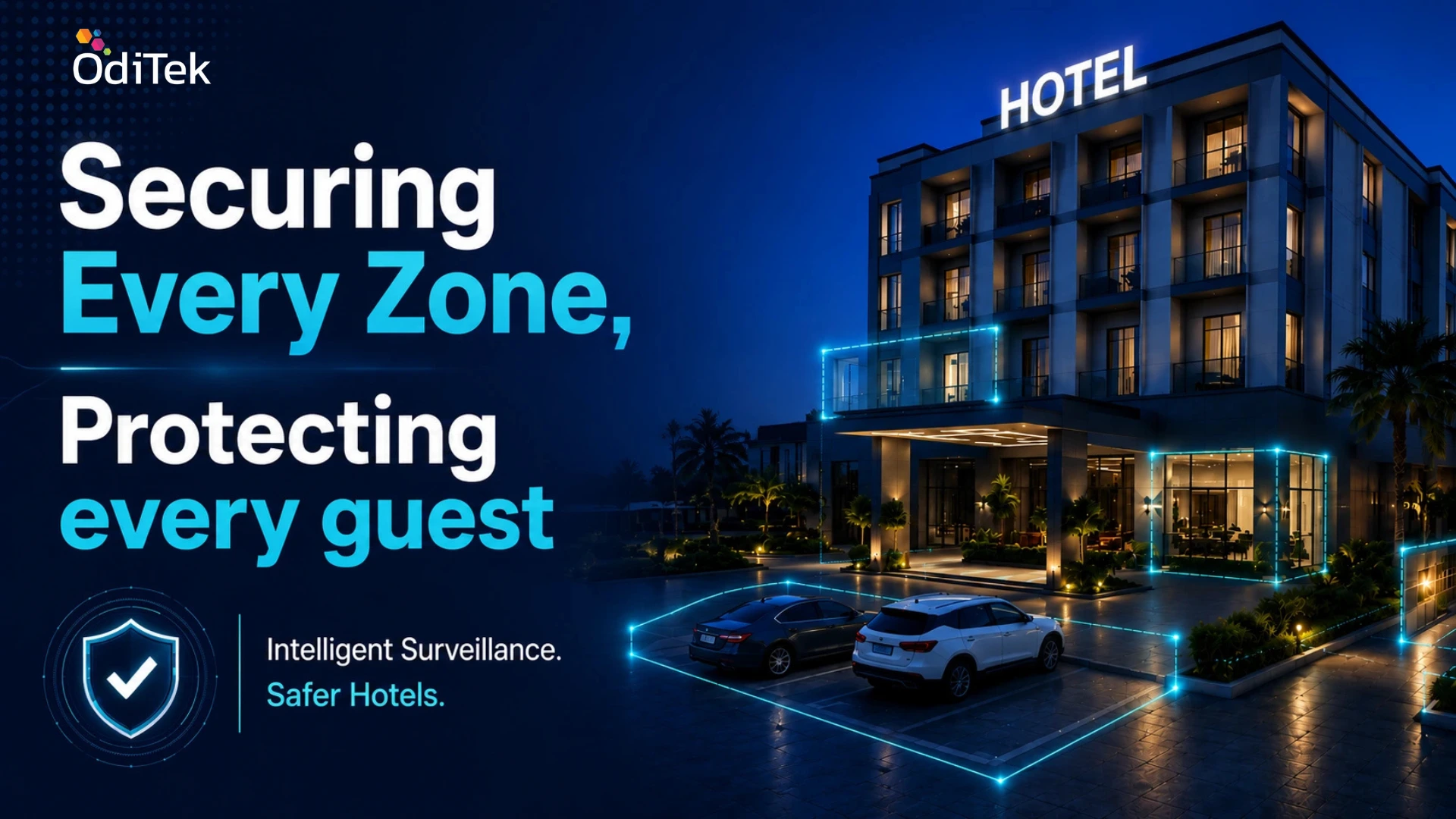
One of its most advanced capabilities is virtual zoning, which creates digital boundaries around sensitive areas such as staff-only zones, parking facilities, emergency exits, and service corridors. By combining AI with intelligent surveillance, hotels can enhance guest and staff safety, reduce false alarms, protect valuable assets, and strengthen overall security operations.
What is Virtual Zoning in Hotel Surveillance Systems?
Virtual zoning is an AI-powered surveillance feature that allows hotels to create digital boundaries within camera views. These virtual zones can be placed around restricted or sensitive areas such as:
• Hotel entrances and exits
• Staff-only corridors
• Reception counters
• Server rooms
• Cash handling areas
• Swimming pools
• Parking facilities
• Emergency exits
• Storage rooms
• Utility areas
Whenever an individual or vehicle enters these predefined zones without authorization, the Intrusion Detection System instantly detects the movement and notifies the security team.Unlike traditional surveillance that depends on continuous human observation, virtual zoning enables cameras to automatically recognize security violations and generate real-time alerts.
Why Hotels Need an AI-Powered Intrusion Detection System?
Hotels operate around the clock, making continuous security monitoring a challenging task. Security personnel cannot monitor hundreds of camera feeds simultaneously without the risk of missing critical incidents.
An AI-powered Intrusion Detection System addresses these challenges by automatically analyzing surveillance footage using intelligent algorithms. It detects unusual movement, unauthorized entry, and suspicious behavior without requiring constant manual supervision. This proactive approach enables hotels to respond to potential threats before they escalate into serious security incidents.
How Virtual Zoning Works?
Virtual zoning uses Video Analytics Software integrated with AI-enabled surveillance cameras.
The process typically involves:
Step 1: Creating Digital Zones
Security administrators define virtual boundaries around sensitive locations within camera views.
Step 2: Continuous AI Monitoring
The AI continuously analyzes live video feeds and tracks people and vehicles entering the designated zones.
Step 3: Intrusion Detection
Whenever someone crosses a restricted boundary without authorization, the Intrusion Detection System identifies the intrusion immediately.
Step 4: Instant Alerts
Real-time notifications are sent to the hotel’s security personnel through monitoring software, mobile applications, or control rooms.
Step 5: Quick Response
Security teams can verify the alert using live video footage and take immediate action if necessary.
Benefits of Virtual Zoning in Hotels:
1.Enhanced Guest Safety:
Guests expect hotels to provide a secure environment throughout their stay. Virtual zoning helps identify unauthorized access before it becomes a security threat.
Whether someone attempts to enter restricted guest floors or private service areas, AI instantly alerts the security team.
2.Better Protection of Restricted Areas:
Certain locations inside hotels require higher levels of protection, including:
• Executive offices
• IT infrastructure rooms
• Cash counters
• Inventory storage
• Staff-only zones
Virtual zoning ensures these areas remain protected 24/7 without relying solely on security guards.
3.Reduced False Alarms:
Traditional motion detection systems often generate unnecessary alerts due to shadows, lighting changes, or environmental factors.
Modern Video Analytics Software uses AI to distinguish between genuine intrusions and harmless activities, significantly reducing false alarms.
4.Improved Perimeter Security:
An effective Perimeter Security System is essential for hotels with large campuses, resorts, or outdoor facilities.
Virtual zoning can secure:
• Boundary walls
• Hotel entrances
• Parking lots
• Gardens
• Loading areas
• Service roads
The system immediately detects unauthorized movement across these predefined zones.
5.Faster Emergency Response:
Real-time AI alerts enable hotel security personnel to respond within seconds.
Instead of discovering incidents after reviewing recorded footage, security teams receive immediate notifications, allowing them to intervene before situations worsen.
6.Lower Monitoring Costs:
AI automates routine surveillance tasks, reducing the need for continuous manual monitoring.
Security personnel can focus on responding to verified incidents rather than watching multiple CCTV screens throughout the day.
Applications of Virtual Zoning in Hotels
Virtual zoning can be deployed across various hotel locations, including:
1.Hotel Lobby: Detects unauthorized access during non-operational hours.Parking Areas: Monitors vehicle movement and prevents unauthorized entry.
2.Swimming Pools: Alerts staff when guests enter restricted pool areas after operating hours.
3.Emergency Exits: Detects unauthorized use of emergency exits.
4.Service Corridors: Ensures only authorized personnel access staff-only areas.
5.Conference Rooms: Protects private business meetings and event spaces.
6.Rooftops and Utility Areas: Prevents unauthorized entry into high-risk maintenance zones.
AI Video Analytics: The Intelligence Behind Virtual Zoning
Virtual zoning becomes significantly more effective when integrated with advanced Video Analytics Software.
AI-powered analytics can identify:
• Human movement
• Vehicle movement
• Unauthorized entry
• Loitering
• Crowd formation
• Object removal
• Suspicious activities
Instead of simply recording footage, AI transforms surveillance cameras into intelligent security systems capable of proactive threat detection.
Best Practices for Implementing Virtual Zoning:
Hotels should follow these practices to maximize the effectiveness of virtual zoning:
• Identify high-risk areas before creating zones.
• Position cameras to eliminate blind spots.
• Regularly update virtual zone configurations.
• Integrate alerts with the hotel’s security operations.
• Train staff to respond quickly to AI-generated notifications.
• Combine virtual zoning with access control and visitor management systems.
Future of Hotel Surveillance:
As AI continues to evolve, hotel surveillance systems will become even smarter.
Future innovations may include:
• Predictive threat detection
• Behavioral analysis
• Facial recognition integration (where legally permitted)
• License plate recognition for parking management
• Automated emergency response workflows
• Cloud-based remote monitoring
These technologies will further strengthen hotel security while improving operational efficiency.
Why Choose Us?
At REG-EYE, we deliver AI-powered surveillance solutions designed to meet the evolving security needs of the hospitality industry. Our advanced Intrusion Detection System leverages intelligent Video Analytics Software and virtual zoning to provide real-time monitoring, instant alerts, and proactive threat detection across your hotel premises.
Whether it’s protecting restricted areas, strengthening your Perimeter Security System, or reducing false alarms, our solutions help hotels improve security while enhancing operational efficiency. With customizable virtual zones, seamless integration with existing CCTV infrastructure, and 24/7 intelligent monitoring, REG-EYE empowers hotels to safeguard guests, employees, and valuable assets with confidence.
Ready to transform your hotel surveillance into a smarter, more reliable, and AI-driven security ecosystem? Visit our REG-EYE Zone Solution page or contact us to get started.
Frequently Asked Questions (FAQs)
1. What is virtual zoning in hotel surveillance systems?
Virtual zoning is an AI-powered surveillance feature that creates digital boundaries within camera views. When a person or vehicle enters a restricted zone, the system automatically detects the intrusion and alerts security personnel in real time.
2. How does AI-powered virtual zoning improve hotel security?
AI-powered virtual zoning creates digital boundaries around restricted areas and instantly detects unauthorized access. By using AI-driven video analytics, it sends real-time alerts, reduces false alarms, strengthens perimeter security, and enables faster responses, helping hotels provide a safer environment for guests, staff, and valuable assets.
3. How does an Intrusion Detection System improve hotel security?
An Intrusion Detection System automatically identifies unauthorized access, suspicious movement, and restricted-area breaches, enabling hotel security teams to respond quickly and prevent potential incidents.
4. Can virtual zoning reduce false alarms?
Yes. AI-powered Video Analytics Software can distinguish between genuine threats and non-threatening events, such as lighting changes or moving shadows, reducing unnecessary alerts.
5. Which hotel areas benefit most from virtual zoning?
Virtual zoning is highly effective for hotel entrances, parking lots, staff-only areas, server rooms, cash handling zones, swimming pools, emergency exits, service corridors, and other restricted or high-risk locations.