Every eCommerce business has a different set of requirements behind its online store. One may need to manage thousands of product variations, another may need customer-specific pricing, while an enterprise operation may depend on ERP, CRM, and inventory integrations to process orders efficiently.
These requirements directly influence what needs to be developed within the platform. Magento ecommerce development services can address everything from catalogue and checkout functionality to integrations, multi-store operations, performance optimisation, and business-specific workflows.
The challenge is not simply deciding which Magento features to use; it is determining which functionality supports the way the business operates. This article looks at the key features that can be developed and the factors that shape the requirements of a Magento eCommerce project.
What Magento eCommerce Development Services Include
A Magento project can involve considerably more than building the storefront. The scope of Magento ecommerce development services depends on the business model, existing technology stack, customer journey, and operational processes.
Magento ecommerce website development may include:
• Storefront and responsive website development
• Product catalogue and attribute management
• Shopping cart and checkout functionality
• Payment and shipping integrations
• Customer account functionality
• Order and inventory management
• Multi-store and multi-language implementation
• Third-party system integrations
• Performance optimisation
• Ongoing feature development
A B2C retailer may prioritise product discovery and checkout, while a B2B business may need customer-specific pricing, approval workflows, bulk ordering, and ERP connectivity. The platform is the same, but the development requirements are not.
What Features Can Be Developed for a Magento eCommerce Website?
Magento development becomes valuable when the platform is aligned with the way a business operates. Magento website development services can address both customer-facing functionality and processes running behind the storefront.
Advanced Catalogue Management
Growing catalogues often need more than basic product listings. Development can support configurable products, custom attributes, product bundles, advanced filtering, layered navigation, and improved product search.
A structured catalogue also makes product management easier for internal teams while helping customers find relevant products faster.
Customer-Specific Experiences
Different customer groups may require different products, prices, promotions, or purchasing options.
Magento can support:
• Customer-specific pricing
• Personalised promotions
• Account-based product visibility
• Product recommendations
• Tailored shopping experiences
This is particularly useful for businesses serving wholesale customers, distributors, or multiple customer segments.
Checkout and Payment Functionality
Checkout directly affects the purchasing experience. Development can address streamlined checkout flows, multiple payment methods, tax calculations, shipping options, address validation, and payment gateway integrations.
Businesses with specific ordering processes can also introduce checkout functionality that fits their requirements rather than forcing customers through unnecessary steps.
Multi-Store Commerce
Businesses operating multiple brands, regions, or product lines may need separate storefronts while retaining centralised management.
Magento can support differences in:
• Catalogues and product visibility
• Languages and currencies
• Pricing structures
• Payment methods
• Regional configurations
What Factors Affect Magento Development Project Requirements?
There is no fixed scope for a Magento project. The requirements are shaped by how the business sells, what systems it already uses, and what the platform needs to accomplish.
Business Model
A B2C retailer, B2B distributor, manufacturer, or hybrid business can require very different functionality.
For example, B2B commerce may require company accounts, negotiated pricing, purchase approvals, shared catalogues, and bulk ordering. These requirements need to be considered before development begins.
Existing Technology Ecosystem
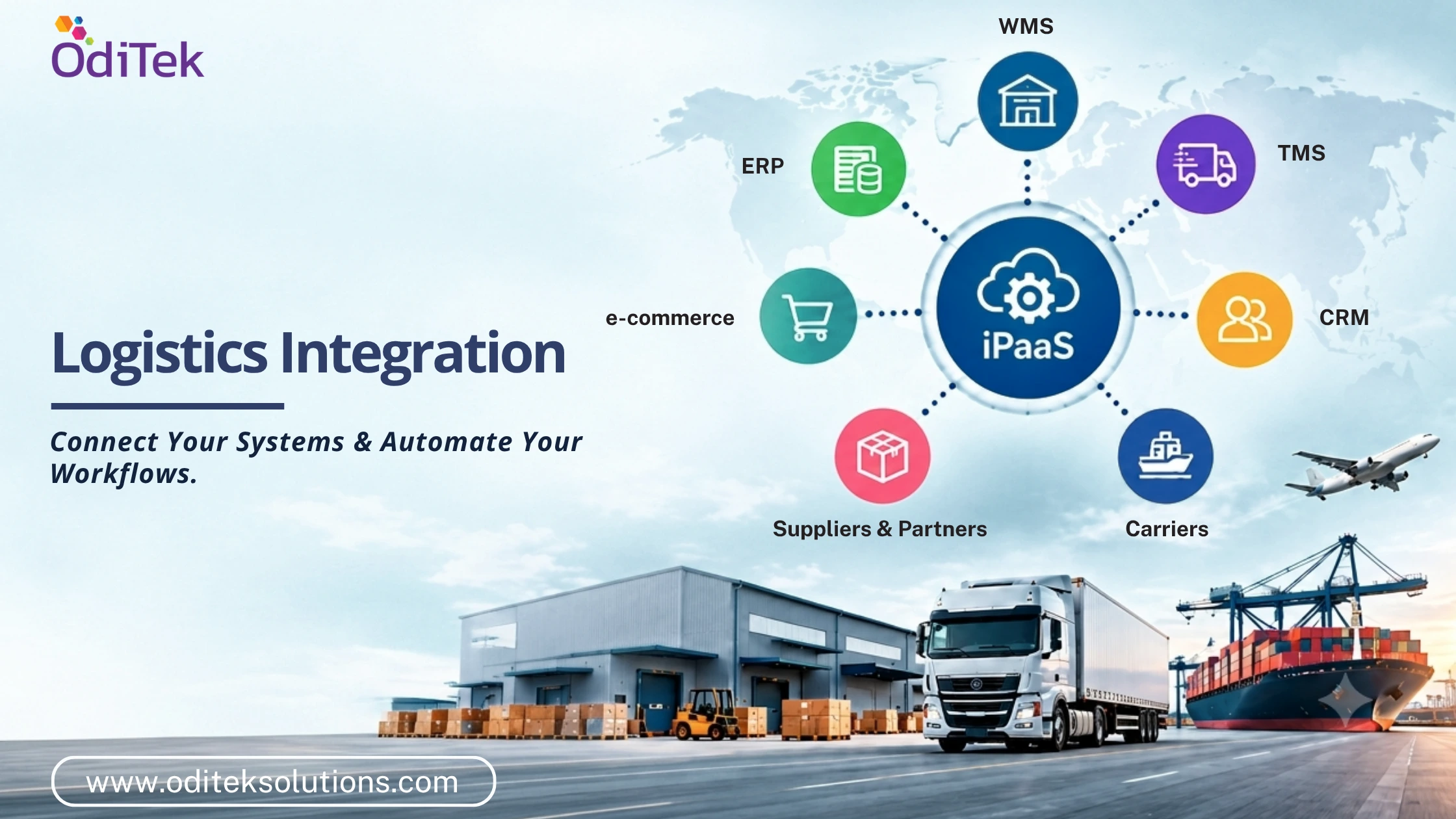
Magento often needs to exchange information with ERP, CRM, PIM, WMS, payment, shipping, or marketing platforms.
The development scope depends on:
• Systems that need to be connected
• Data that needs to be synchronised
• Frequency of data exchange
• Available APIs and integration methods
Understanding these dependencies early helps avoid integration problems later in the project.
Catalogue Complexity
A store with a few hundred products has different requirements from one managing thousands of SKUs, multiple variants, complex attributes, pricing rules, and inventory sources.
Catalogue structure, search, filtering, indexing, and data management therefore need to be considered as part of the technical planning.
Performance Requirements
Traffic volume, product catalogue size, transaction frequency, integrations, and infrastructure can all affect Magento performance.
Depending on the project, development may involve caching, database optimisation, CDN implementation, API optimisation, asset management, and infrastructure planning.
Future Requirements
The initial project should also account for what the business may need next. New markets, additional storefronts, integrations, product categories, and sales channels can all influence architectural decisions.
Planning for these possibilities does not mean developing every feature upfront. It means avoiding technical decisions that unnecessarily restrict future development.
Connecting Magento with the Wider Commerce Ecosystem
An eCommerce storefront is often only one part of the technology stack. For businesses with complex operations, Magento ecommerce development services can extend beyond the storefront to connect commerce data with the systems responsible for inventory, fulfilment, customer management, and reporting.
For example, a customer order may need to move from Magento to an ERP for fulfilment, update inventory in a warehouse system, trigger communication through a CRM, and return shipping information to the storefront.
This makes integration an important part of Magento ecommerce website development. Well-planned integrations can reduce manual data entry, improve information consistency, and connect commerce operations across multiple platforms.
Why Choose OdiTek?
OdiTek approaches Magento ecommerce development services from a broader software development perspective. Along with Magento eCommerce development, our capabilities cover Magento 2 development, extensions, integrations, B2B functionality, performance optimisation, and ongoing enhancements.
The focus is on understanding the business requirement first and then translating it into the appropriate Magento functionality and technical implementation.
This approach helps businesses prioritise the features they need while creating a platform that can support changing commerce requirements.
Frequently Asked Questions (FAQs)
What should businesses expect from Magento ecommerce development services?
Magento ecommerce development services can cover storefront development, catalogue functionality, checkout, integrations, multi-store implementation, performance optimisation, and ongoing enhancements. The exact scope depends on the business model, existing systems, and technical requirements.
Can Magento support headless eCommerce?
Yes. Magento can function as the commerce backend within a headless architecture, allowing businesses to build a separate customer-facing experience while managing commerce operations through Magento.
Can Magento support international eCommerce operations?
Yes. Magento can support multiple storefronts, currencies, languages, tax configurations, and regional payment or shipping requirements.
Can Magento integrate with third-party marketplaces?
Yes. Magento can relate to external marketplaces to synchronise products, inventory, pricing, and order information based on the integration requirements.
Is Magento suitable for a growing eCommerce business?
Magento can support businesses with expanding catalogues, complex commerce processes, multiple storefronts, and integration requirements when the architecture is planned according to the expected technical and business demands.
Conclusion
The strongest Magento implementations are not built by adding every available feature. They are built by identifying what the business needs the platform to accomplish and developing around those priorities.
From catalogue management and checkout functionality to integrations, performance, and multi-store operations, each requirement influences the development approach. A clear understanding of these requirements helps create a Magento platform that works effectively for both the business and its customers.
Discover our Magento development expertise and see how we can support your eCommerce goals.
Talk to our team to get started with a Magento solution designed around your business requirements.