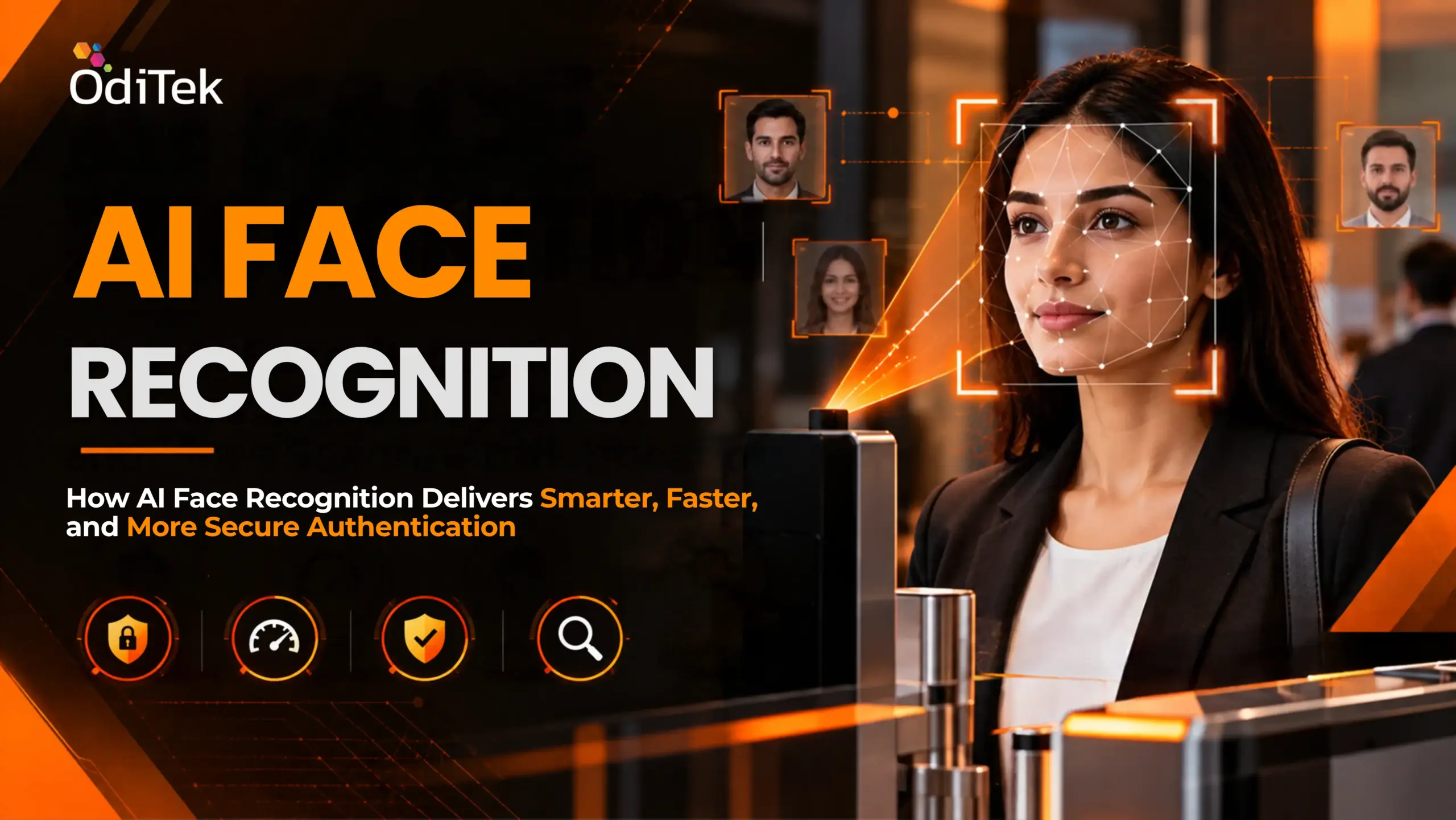
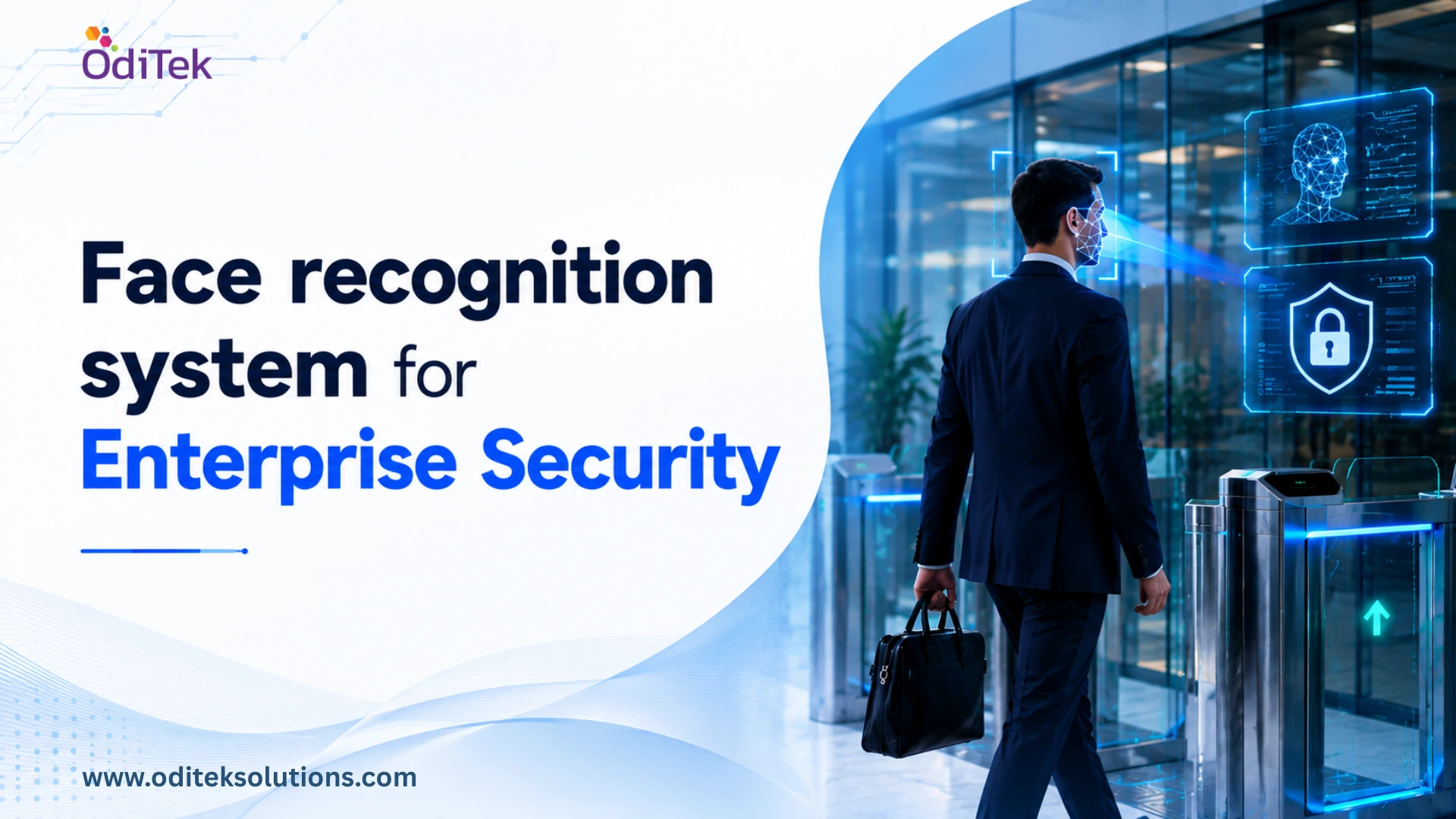
Face Recognition System technology is transforming the way modern organizations protect employees, visitors, assets, and sensitive information. Traditional security methods such as ID cards, passwords, PIN codes, and manual verification are often vulnerable to loss, theft, duplication, and human error, making them less effective against evolving security threats. As businesses continue to embrace digital transformation, AI-powered biometric solutions have become an essential part of enterprise security strategies.
A face recognition system is one of the most advanced biometric security solutions available today. By leveraging artificial intelligence and computer vision, it accurately identifies or verifies individuals based on their unique facial characteristics, enabling secure, contactless, and real-time authentication.
Whether it’s a corporate office, manufacturing facility, healthcare institution, educational campus, airport, hotel, or government building, face recognition technology is helping organizations strengthen security while streamlining daily operations.
In this guide, we’ll explore how face recognition systems work, their key benefits, common applications, implementation considerations, and why they have become a vital component of modern enterprise security.
What is a Face Recognition System?
A face recognition system is an AI-powered biometric identification solution that captures, analyzes, and compares facial features to verify an individual’s identity.
Unlike passwords or access cards, facial recognition relies on unique biometric characteristics that are difficult to duplicate. Modern systems use deep learning algorithms to detect facial landmarks such as:
• Distance between the eyes
• Nose shape
• Jawline structure
• Facial contours
• Eye positioning
• Chin dimensions
These unique measurements are converted into encrypted biometric templates that are compared with authorized records for accurate identification.
Because authentication happens within seconds, face recognition offers both convenience and enhanced security.
How Does a Face Recognition System Work?
A face recognition system follows several intelligent steps to identify an individual.
1. Face Detection:
AI cameras detect human faces within live video or captured images.
2. Face Alignment:
The system adjusts the detected face for lighting conditions, angle, head position, and facial orientation.
3. Feature Extraction:
Deep learning algorithms identify hundreds of unique facial landmarks to create a biometric template.
4. Face Matching:
The template is compared with authorized users stored in the organization’s secure database.
5. Authentication:
If the similarity score meets the required threshold, access is granted. Otherwise, the system can deny access or trigger an alert.
This entire process typically takes less than a second.
Why Businesses are Adopting Face Recognition Systems?
Organizations are increasingly replacing conventional authentication methods because biometric verification is faster, more secure, and easier to manage.
Some major reasons include:
• Contactless authentication
• Improved workplace security
• Reduced identity fraud
• Faster employee access
• Better visitor management
• Automated attendance tracking
• Real-time threat detection
• Improved operational efficiency
Key Benefits of Face Recognition Systems:
1.Enhanced Security
Facial biometrics are unique to every individual, making unauthorized access significantly more difficult than traditional credentials.
2.Contactless Authentication
Employees and visitors can gain entry without touching fingerprint scanners, keypads, or access cards.
3.Faster Access Control
Authentication occurs within seconds, reducing queues during office entry and exit.
4.Improved Visitor Management
Visitors can be pre-registered, identified instantly upon arrival, and granted temporary access based on predefined permissions.
5.Accurate Employee Attendance
Face recognition eliminates buddy punching and manual attendance errors while providing accurate work-hour records.
6.Reduced Operational Costs
Organizations spend less on ID card printing, badge replacement, manual verification, and security administration.
7.Real-Time Alerts
AI systems can immediately notify security teams when:
• Unauthorized individuals enter restricted zones
• Blacklisted persons are detected
• Unknown faces appear in sensitive locations
8.Scalable Security
Face recognition solutions can easily support thousands of users across multiple office locations.
Common Applications of Face Recognition Systems
Face recognition technology is widely adopted across industries.
1.Corporate Offices:
• Employee access control
• Visitor authentication
• Attendance management
• Restricted area monitoring
2.Manufacturing Facilities:
Factories use face recognition for:
• Staff attendance
• Entry authorization
• Shift monitoring
• Secure production areas
3.Educational Institutions:
Schools and universities use facial recognition for:
• Student attendance
• Campus access
• Hostel security
• Examination verification
4.Healthcare Facilities:
Hospitals use biometric authentication for:
• Staff identification
• Patient verification
• Pharmacy access
• Restricted medical zones
5.Airports:
Airports use facial recognition for:
• Passenger verification
• Immigration
• Boarding automation
• Security screening
6.Hotels:
Hotels improve guest experiences through:
• Contactless check-in
• VIP guest identification
• Staff authentication
• Secure facility access
7.Government Buildings:
Government agencies use biometric systems for:
• Identity verification
• Secure office entry
• Surveillance
• Restricted access control
Integration with Enterprise Security Systems
Modern face recognition platforms integrate seamlessly with existing security infrastructure, including:
• AI surveillance cameras
• Access control systems
• Boom barriers
• Visitor management software
• HR attendance systems
• Building management systems
• Security Information and Event Management (SIEM)
• Alarm systems
This integration creates a unified enterprise security ecosystem.
AI and Deep Learning in Face Recognition
Artificial intelligence has significantly improved facial recognition accuracy.
Modern AI models can recognize faces despite:
• Face masks
• Glasses
• Beards
• Aging
• Different hairstyles
• Low lighting
• Side profiles
• Crowded environments
Continuous machine learning also improves accuracy over time.
Challenges and Considerations
Although face recognition systems offer numerous advantages, organizations should consider several factors before implementation.
1.Privacy Compliance:
Businesses should comply with applicable privacy regulations and obtain appropriate consent where required.
2.Data Security
Biometric data should always be encrypted and securely stored to prevent unauthorized access.
3.Lighting Conditions
Proper camera placement improves recognition accuracy.
4.Database Quality
High-quality enrollment images lead to better identification performance.
5.Network Reliability
Cloud-connected systems require stable internet connectivity for optimal performance.
Future of Face Recognition Systems:
Face recognition technology continues to evolve rapidly.
Future innovations include:
• AI behavioral recognition
• Emotion detection
• Multi-factor biometric authentication
• Edge AI processing
• Smart city integration
• Contactless workplace automation
• Digital identity verification
• Predictive security analytics
These advancements will further strengthen enterprise security while enhancing user convenience.
Why Choose Us?
Organizations need security solutions that combine intelligence, accuracy, and reliability. Our AI-powered face recognition solutions are designed to deliver secure, scalable, and efficient access management for businesses of all sizes.
We provide:
• AI-powered face recognition for real-time identification
• Seamless integration with access control and surveillance systems
• Contactless employee and visitor authentication
• Intelligent attendance management
• Real-time alerts for unauthorized access
• Scalable deployment across multiple locations
• Secure biometric data handling
• Expert implementation and ongoing technical support
Whether you’re securing a corporate office, industrial facility, educational institution, healthcare center, or commercial campus, our face recognition solutions help strengthen security while improving operational efficiency.
Conclusion:
A face recognition system has become an essential component of modern enterprise security, offering a fast, accurate, and contactless way to verify identities and control access. By combining artificial intelligence with biometric authentication, organizations can enhance security, reduce unauthorized access, improve operational efficiency, and simplify employee and visitor management.
From corporate offices and manufacturing facilities to healthcare institutions, educational campuses, hotels, airports, and government buildings, face recognition technology is transforming how businesses protect their people and assets. As AI continues to evolve, face recognition systems will become even more intelligent, reliable, and seamlessly integrated with broader security ecosystems. Investing in a robust face recognition system today enables organizations to build a safer, smarter, and future-ready security infrastructure.
Ready to secure your organization? visit our REG-EYE face recognition system page or contact us.
Frequently Asked Questions (FAQs)
1. How can a face recognition system improve security in businesses and public spaces?
A face recognition system enhances security by automatically identifying authorized individuals, restricting unauthorized access, improving visitor management, reducing identity fraud, and providing real-time alerts when suspicious persons are detected.
2. Where are face recognition systems commonly used in real-world applications?
Face recognition systems are widely used in corporate offices, airports, hospitals, educational institutions, hotels, manufacturing facilities, government buildings, retail stores, residential communities, and smart city surveillance projects.
3. Is face recognition more secure than access cards?
Yes. Facial biometrics are unique to each individual and cannot be easily lost, shared, or duplicated like access cards, making them a more secure authentication method.
4. Can face recognition systems work in low-light environments?
Modern AI-powered face recognition systems use advanced image enhancement and infrared technologies to maintain high accuracy even in challenging lighting conditions.
5. Can face recognition systems integrate with existing security infrastructure?
Yes. Most enterprise face recognition solutions integrate seamlessly with surveillance cameras, access control systems, visitor management software, attendance systems, and other enterprise security platforms.